Blog ·
Choosing the Right Clean Energy Source for Your Situation
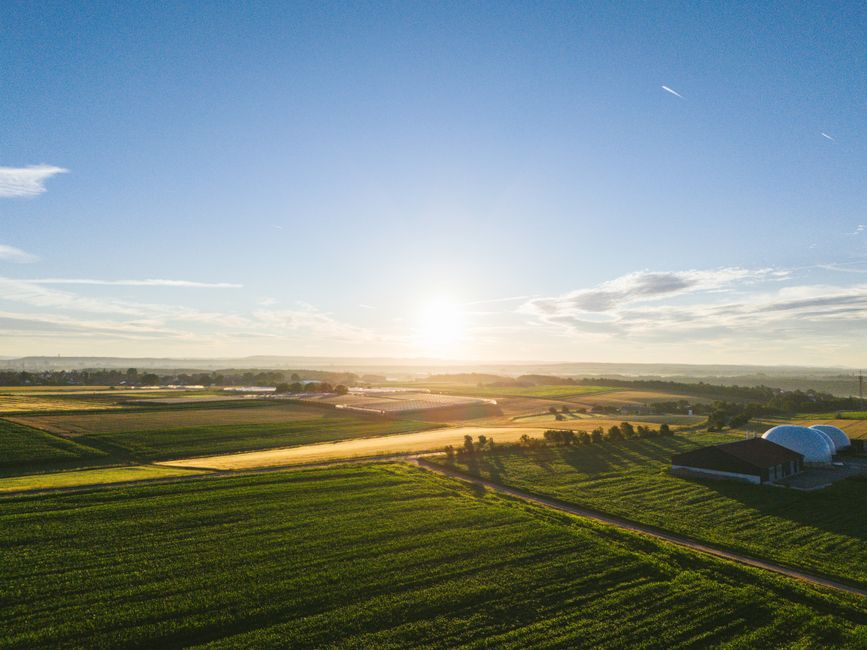
Not all clean energy solutions work identically for every home or business. Your location, building type, budget, and goals all influence which clean energy option makes the most sense for you. Understanding the different approaches helps you make the right choice for your specific circumstances.
Solar Energy Systems
Solar panels convert sunlight directly into electricity. This works best if your property receives consistent sunlight and has adequate roof or ground space. Solar systems can operate independently or connect to your local grid. Your geographic location determines how efficiently solar works for you—regions with more sun hours generate more power. Solar works for houses, apartments, and commercial buildings, though installation requirements vary.
Wind Energy Options
Wind turbines convert wind movement into electrical power. This option works best in areas with regular, strong wind patterns. Small residential wind turbines suit some properties, while most people access wind energy through community wind programs or utility wind farms. Wind energy produces power consistently regardless of time of day, unlike solar which depends on sunlight hours.
Utility-Scale Renewable Programs
Many utility companies generate renewable energy at large facilities and distribute it through existing power lines. Enrolling in these programs requires no home installation or property modifications. You simply choose to receive power from renewable sources through your regular utility connection. This option works for renters, apartment dwellers, and those without suitable property for home-based systems.
Geothermal Energy
Geothermal systems tap into stable ground temperatures to heat and cool your home efficiently. This works best in regions with geothermal resources and requires significant initial installation. The technology excels at reducing heating and cooling costs over decades of use. Geothermal works particularly well for properties with adequate land space for underground heat exchangers.
Community Renewable Projects
Some communities offer shared clean energy projects where multiple residents benefit from a single installation. You own a portion of a larger solar array or wind facility and receive proportional energy credits. This democratizes access to clean energy for people unable to install systems on their own properties.
Evaluating Your Best Option
Consider your property characteristics, local climate, budget, and long-term plans. Contact local clean energy providers to discuss which options suit your situation. Many offer free assessments to help you understand what works best. Your ideal clean energy solution exists—you just need to identify it for your unique circumstances.
Energy Storage and Battery Systems
When selecting a clean energy system, storage capacity becomes an important consideration. Battery systems capture excess power generated during peak production hours for use during low-production periods. Solar systems particularly benefit from batteries, which store daytime electricity for evening use or cloudy days. Batteries increase your energy independence from the grid and provide backup power during outages.
However, adding battery storage requires adequate physical space for equipment installation. Battery units need protected, climate-controlled indoor locations. Battery technology continues advancing, with improving lifespans and efficiency. Your household's energy patterns influence whether storage makes sense—if you consume most electricity in the evening, batteries offer significant benefits. Homes with minimal evening usage may not justify the additional complexity.
When discussing clean energy options with providers, ask about storage possibilities alongside your chosen system. They can determine whether batteries align with your property layout, energy consumption patterns, and long-term goals. This conversation helps you make a fully informed decision about the complete energy system right for your situation.